UNESCO's Intergovernmental Hydrological Programme (IHP) has launched a new Global Water Security Initiative for 2026, aimed at strengthening water governance and access to safe water in vulnerable regions worldwide.
UNESCO's Intergovernmental Hydrological Programme (IHP) has officially launched the Global Water Security Initiative (GWSI) for 2026, marking a significant milestone in the global effort to address water scarcity and improve water governance worldwide.
The initiative brings together Member States, international organizations, and civil society partners to develop integrated water resource management strategies, with a particular focus on climate-vulnerable regions in Africa, Latin America, and Asia Pacific.
Key objectives of the 2026 GWSI include: strengthening national water monitoring networks, promoting transboundary water cooperation, advancing water-related Sustainable Development Goals (SDGs), and building capacity for water data collection and analysis in developing countries.
"Access to clean water is a fundamental human right, and ensuring water security for all must remain at the top of the global agenda," said the IHP Director at the launch event held at UNESCO Headquarters in Paris.
The programme will allocate funding to support over 50 pilot projects in Member States, focusing on groundwater management, flood early warning systems, and water quality improvement. Partner organizations including CAZALAC and CARGC will play key roles in regional coordination and technical support.
For more information, visit the IHP Water Information Network System (IHP-WINS) portal or contact the UNESCO IHP Secretariat.
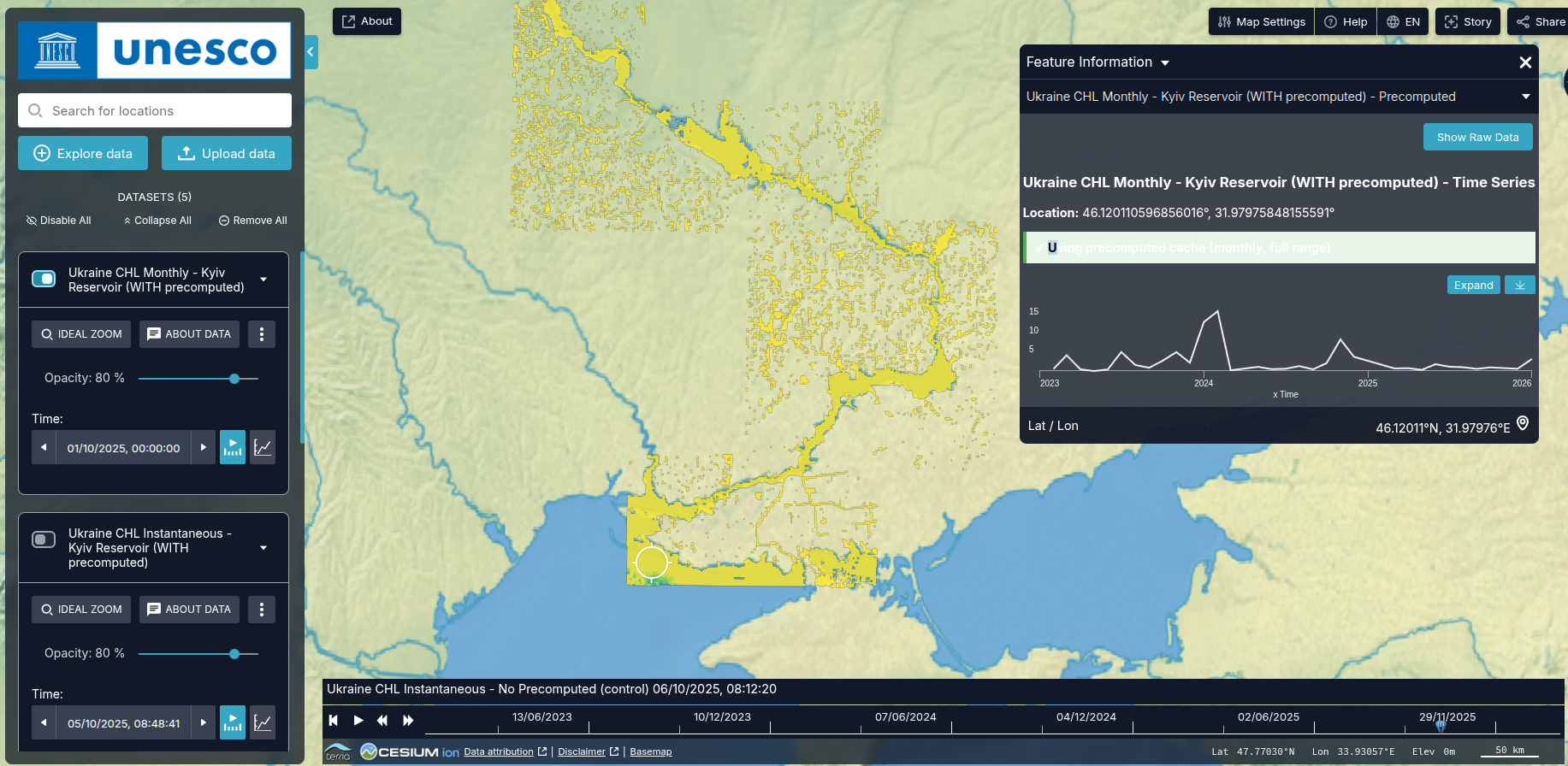
IHP-WINS Water Information Portal: https://www.ihp-wins.unesco.org